Home > Products > Pallet Rack
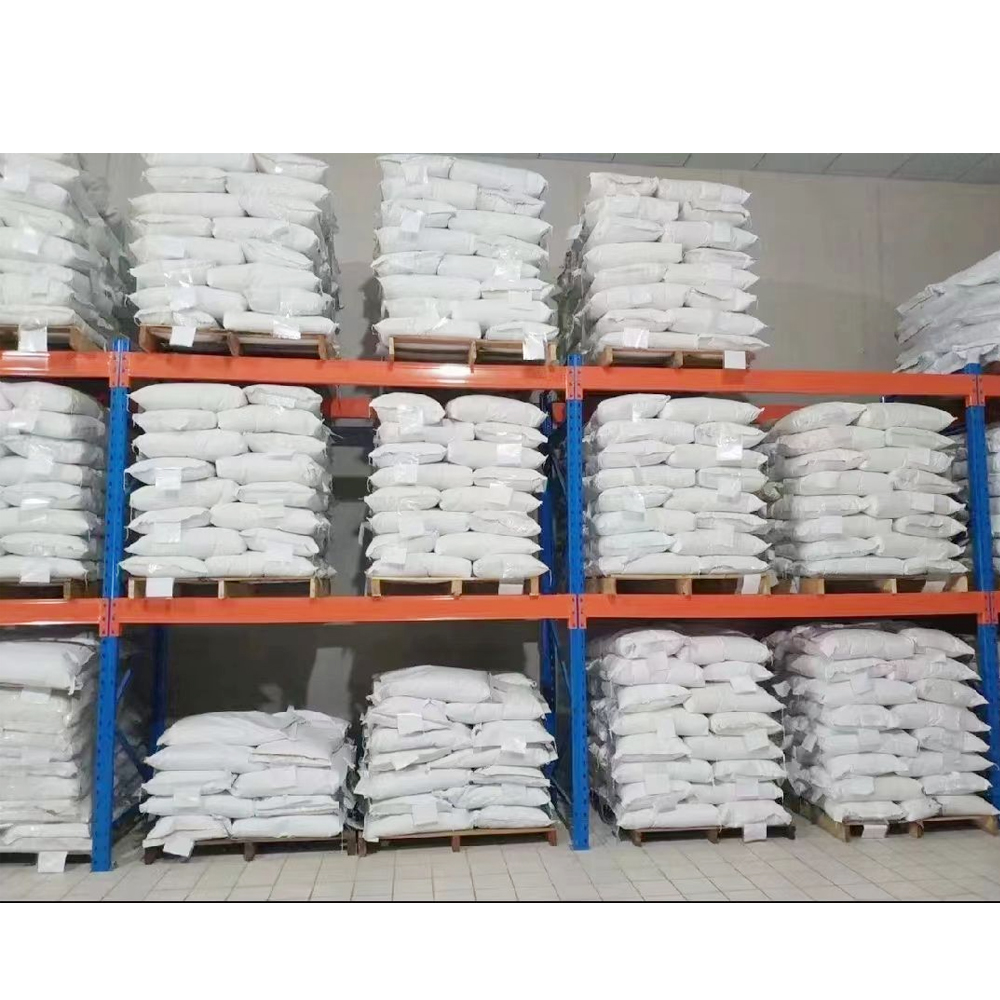
Improve warehouse storage with a selective pallet racking system designed around pallet dimensions, load requirements, aisle layout and handling equipment.
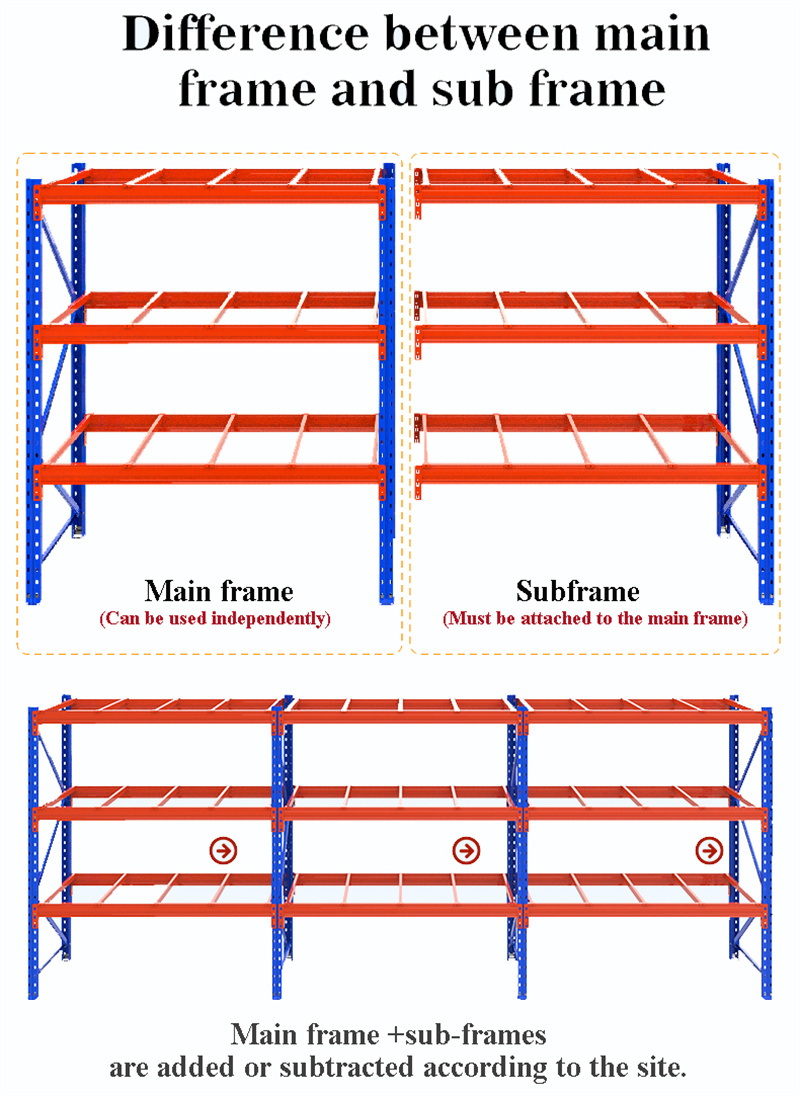
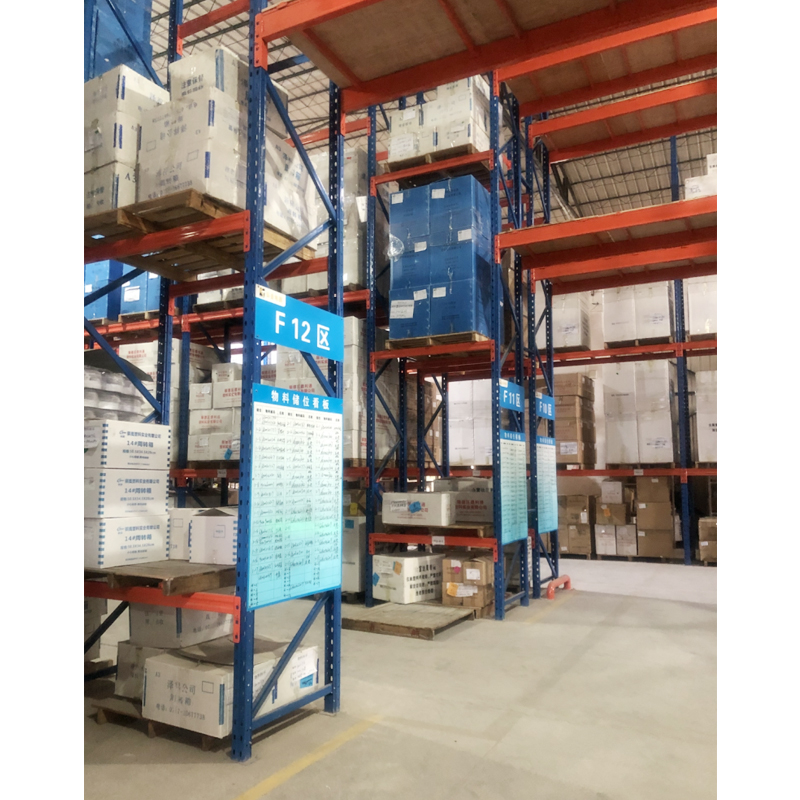
When stock changes frequently, warehouse storage must support more than capacity. It must make locations easy to identify, replenishment routes easy to follow and individual pallets available without unnecessary handling.
Turn Warehouse Traffic into a Clear Storage Routine
The value of pallet racking is not only the number of positions it creates. A well-planned system also gives receiving, put-away, replenishment and dispatch teams a consistent way to move through the warehouse.
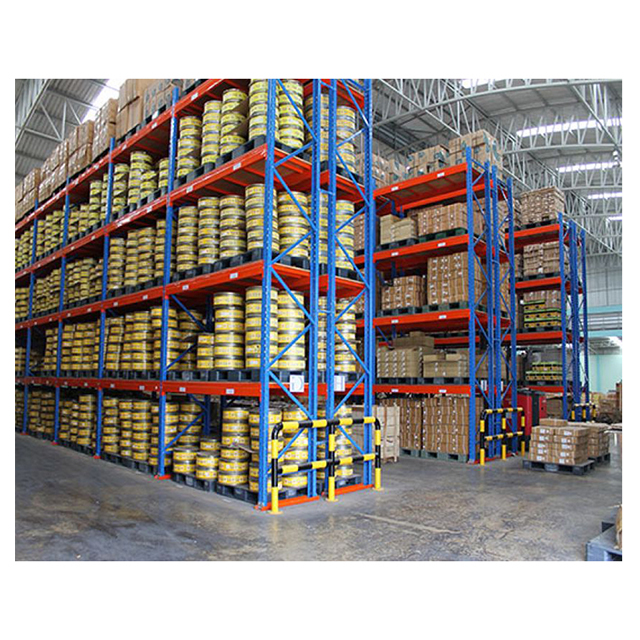
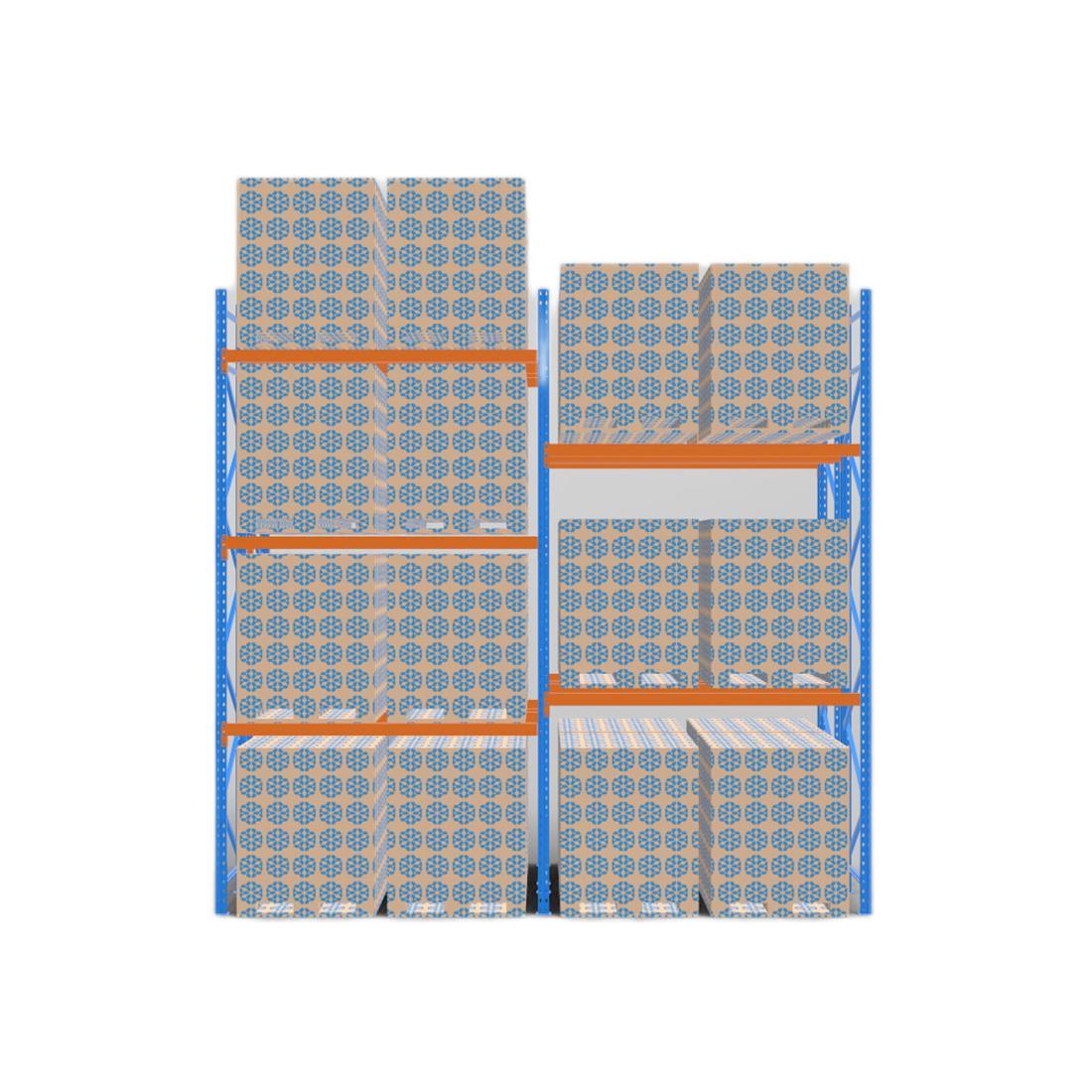
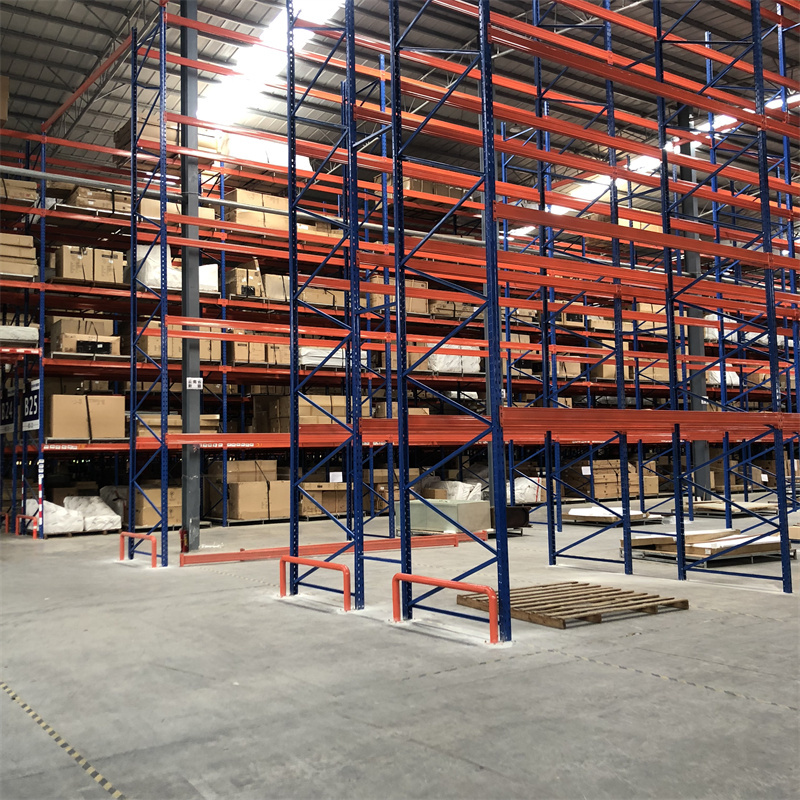
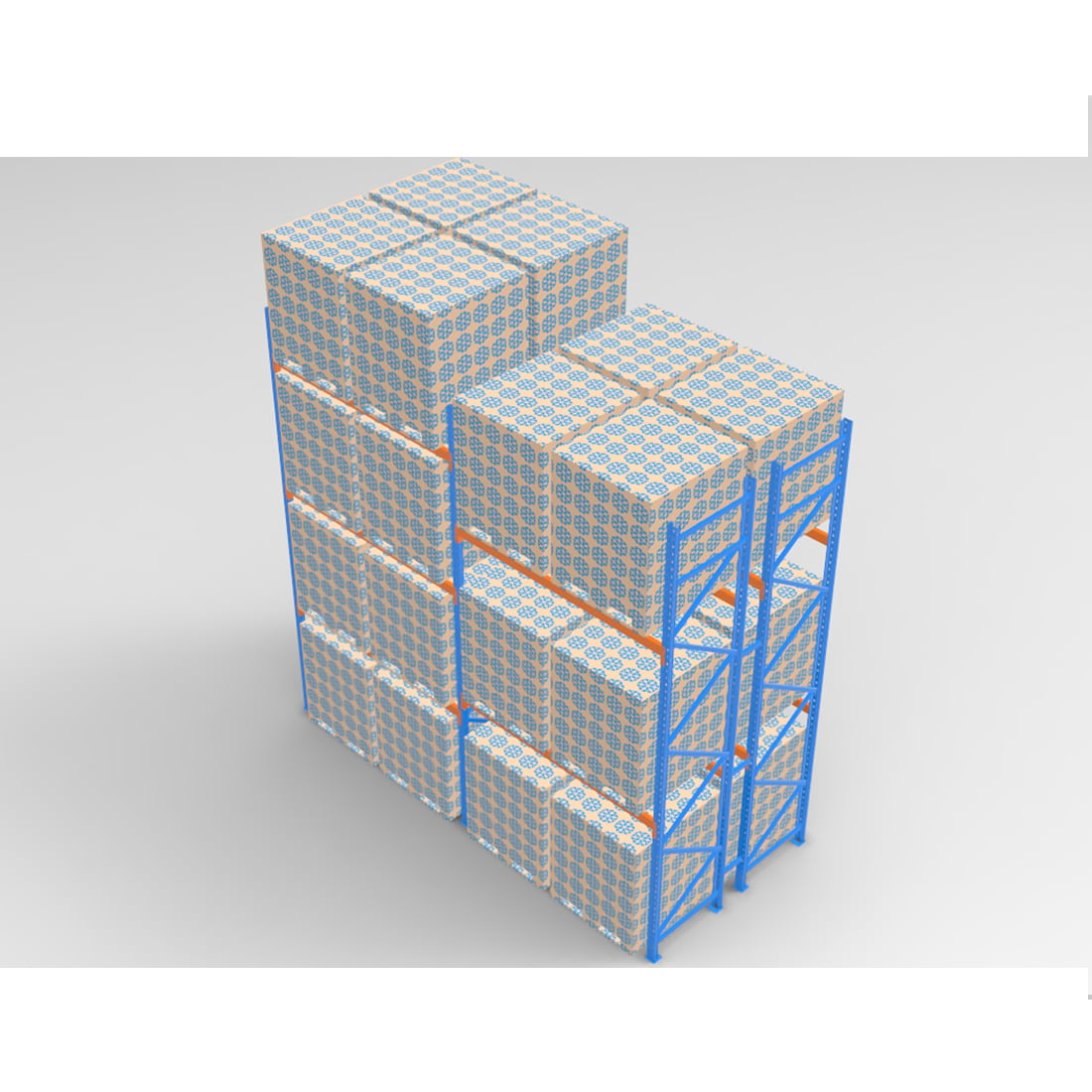
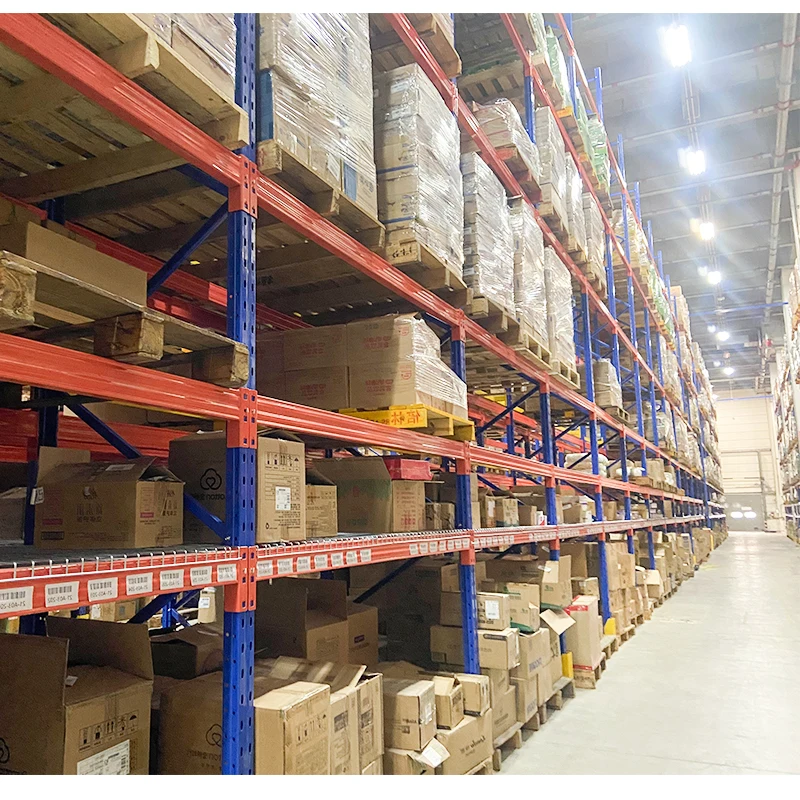
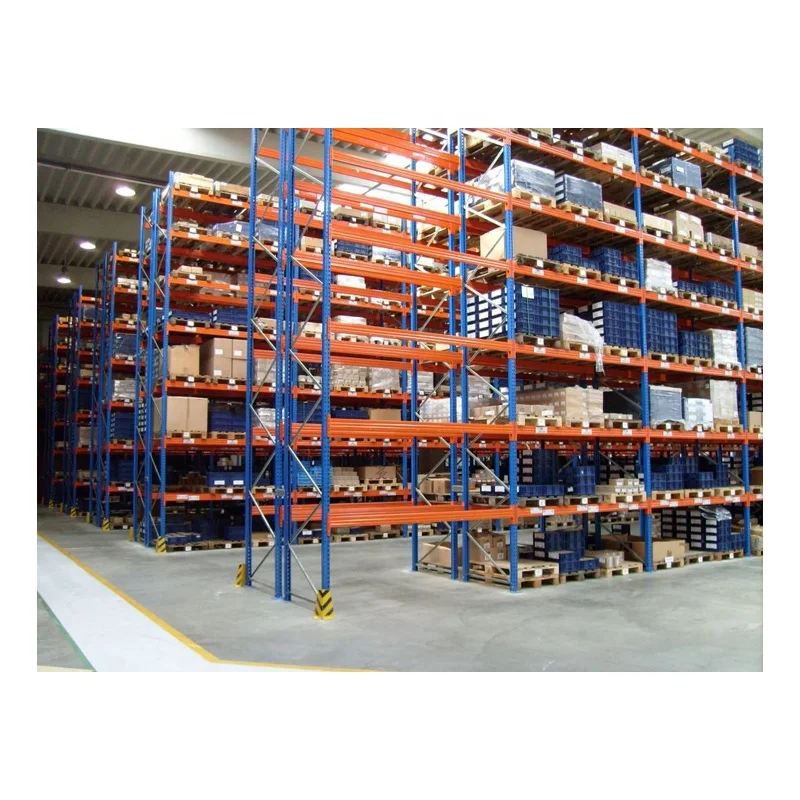
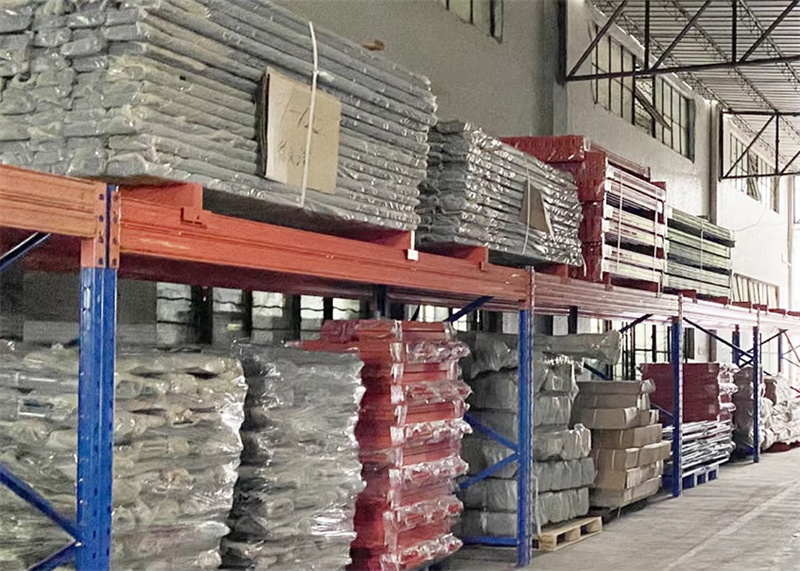
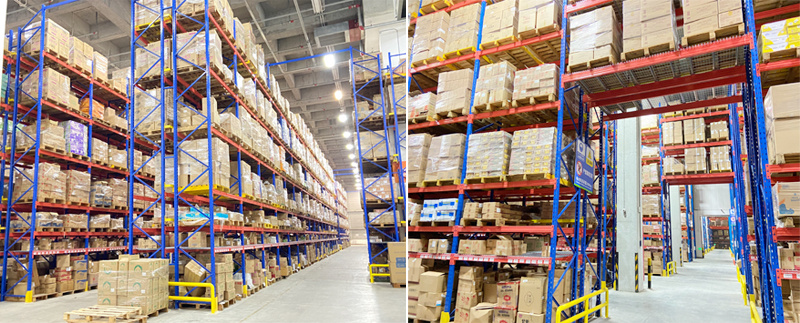
Selective pallet racking separates storage levels from working aisles, allowing operators to locate stock quickly while keeping the layout adaptable as product mix, pallet formats and order profiles change.
Faster Location Decisions |
Adaptable Storage Rhythm |
Cleaner Material Flow |
Open pallet positions make it easier to identify where goods are stored and where space remains. |
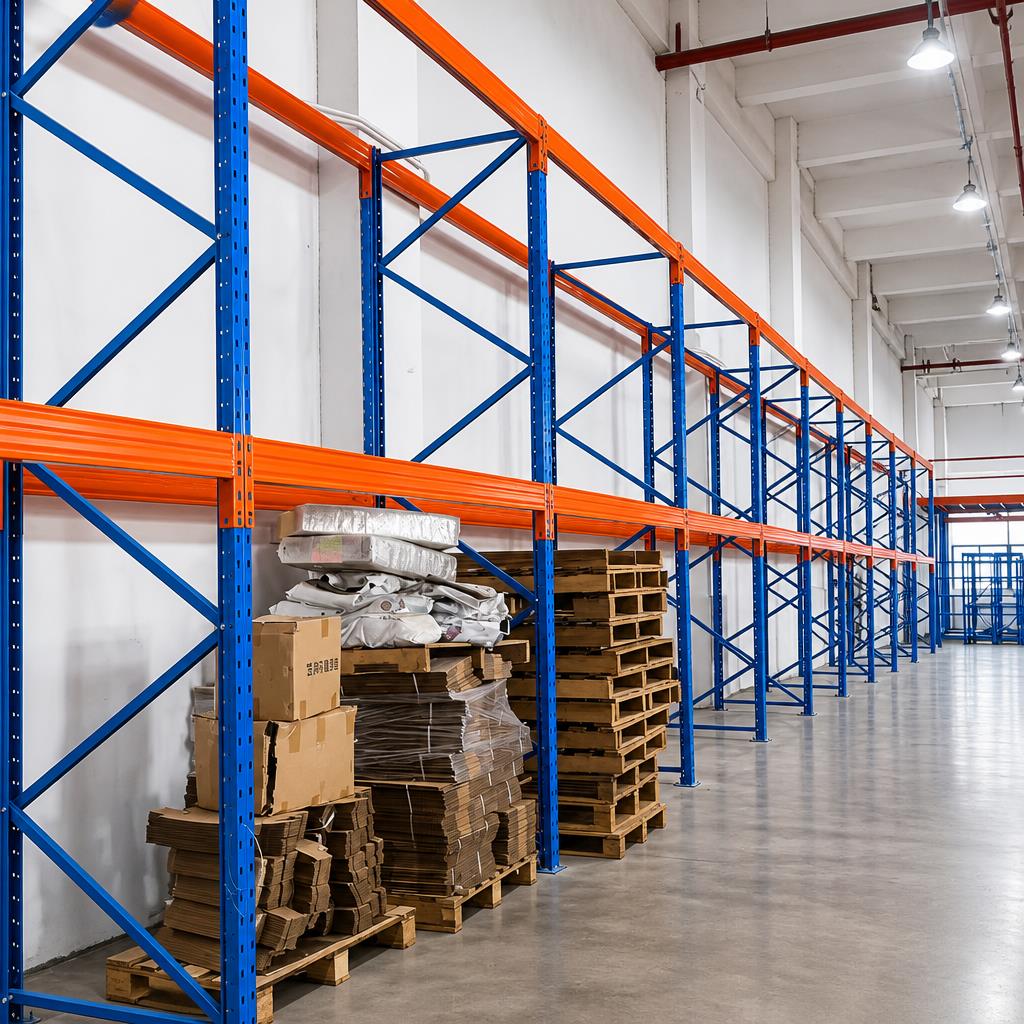
Reconfigure beam levels and bays as product dimensions, stock cycles or order patterns change. |
Separate storage rows, working aisles and loading areas to support a more orderly operation. |
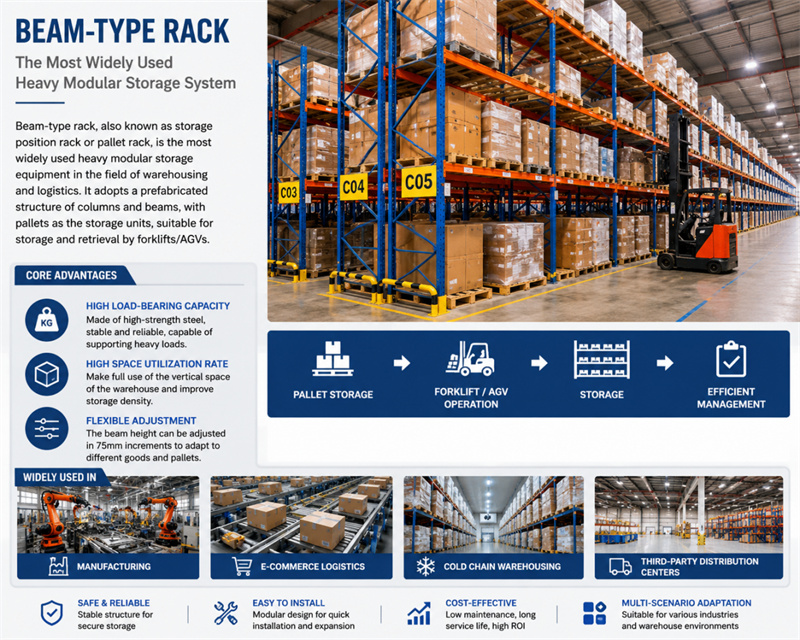
Operational Advantages
Warehouse Layout and Application Planning
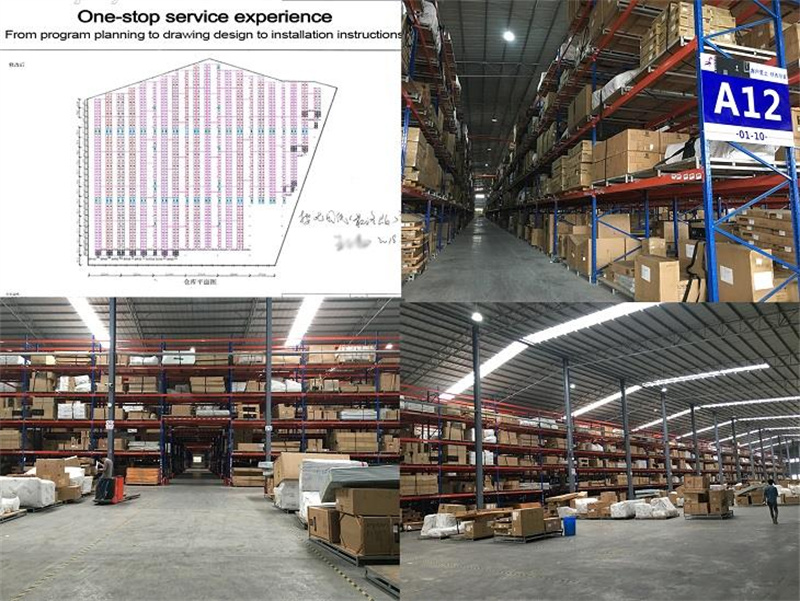
A successful pallet racking layout should balance storage density with access speed, equipment clearance, pedestrian safety and material-flow efficiency. Rack rows, working aisles, loading zones and picking areas should be reviewed together before the final configuration is approved.
Warehouse Conditions |
Operational Requirements |
|
Available length, width and clear height Columns, walls, doors and loading zones Floor condition and site restrictions Fire exits, lighting and sprinkler constraints Forklift and pedestrian routes |
Pallet dimensions and unit weights Number of SKUs and inventory turnover Required storage levels and load per level Forklift, reach truck or pallet truck type Access, protection and identification accessories |
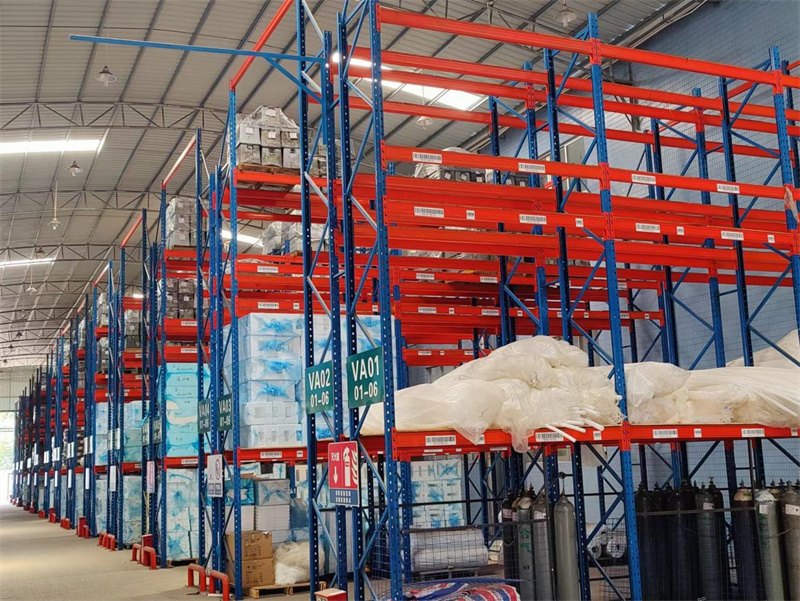
Customizable Specifications
Final specifications should be confirmed according to the actual warehouse conditions, pallet profile, handling equipment and project requirements.
Specification |
Project information to confirm |
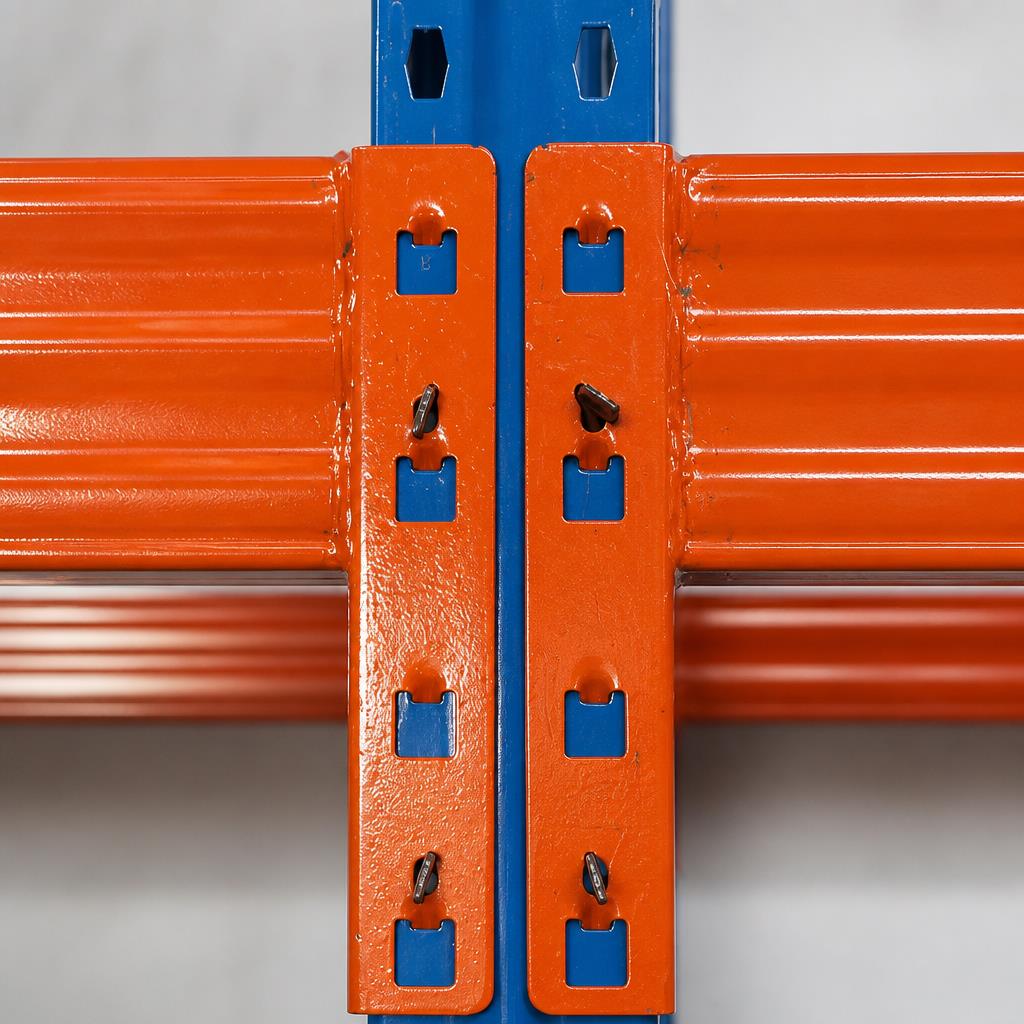
Upright frames |
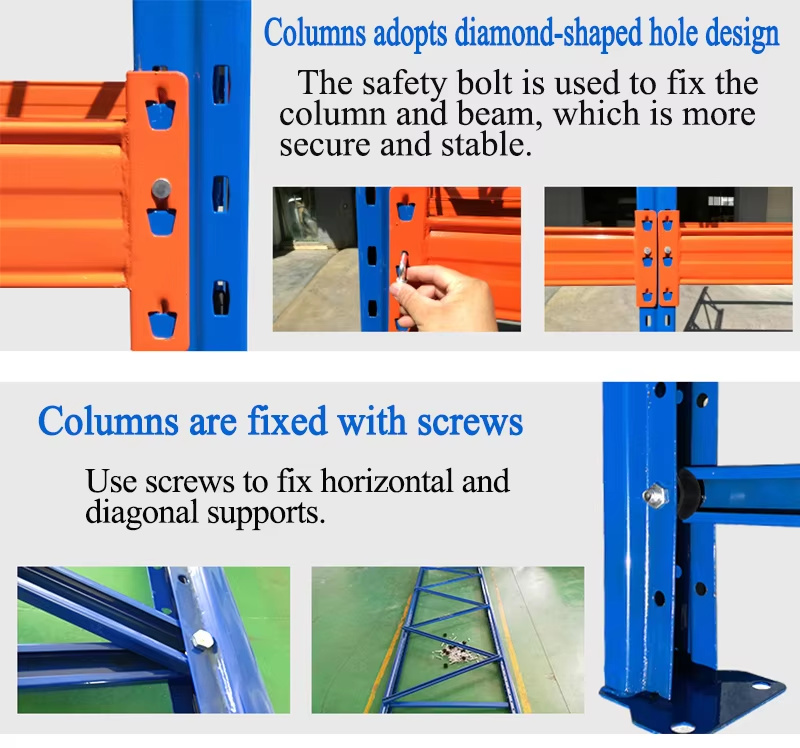
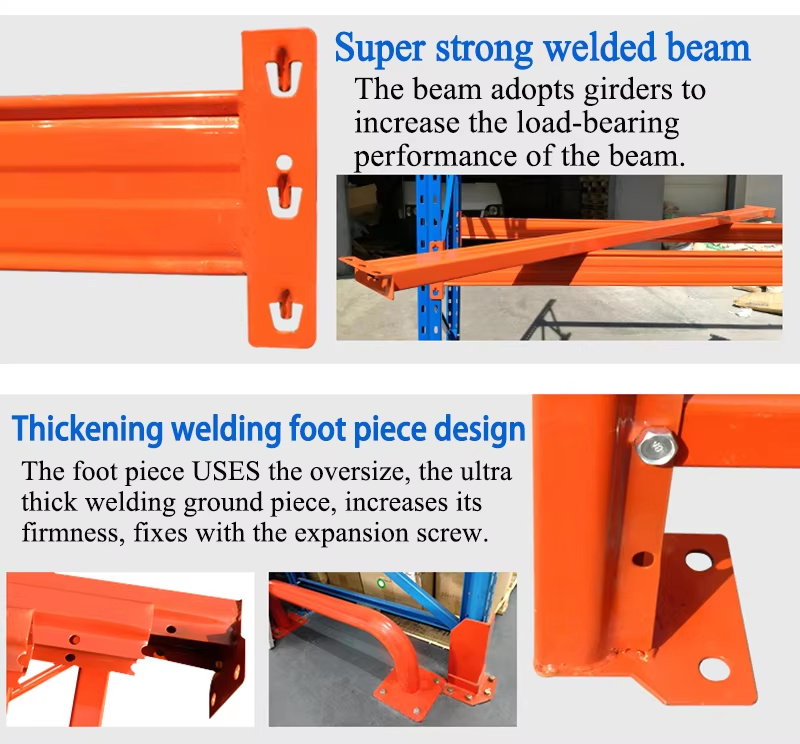
Frame height, depth, profile and layout position |
Beams |
Beam length, level spacing and required load per level |
Pallet support |
Pallet type, dimensions, support bars or decking requirement |
Aisles |
Working aisle width based on the selected handling equipment |
Protection |
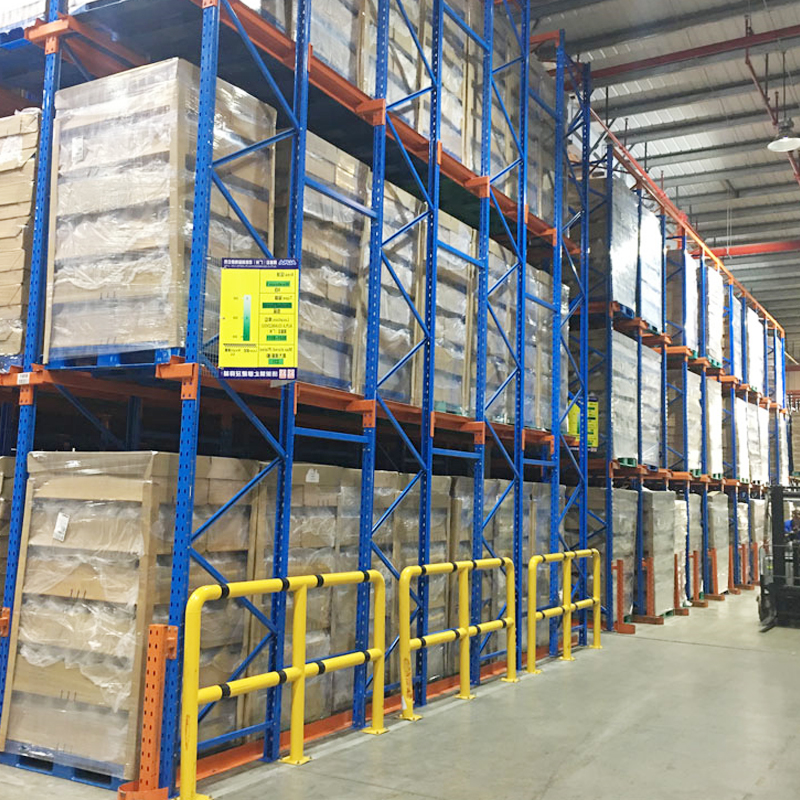
Upright guards, end-of-row barriers, safety accessories and signs |
Finish |
Industrial color, surface finish, packaging and delivery requirements |
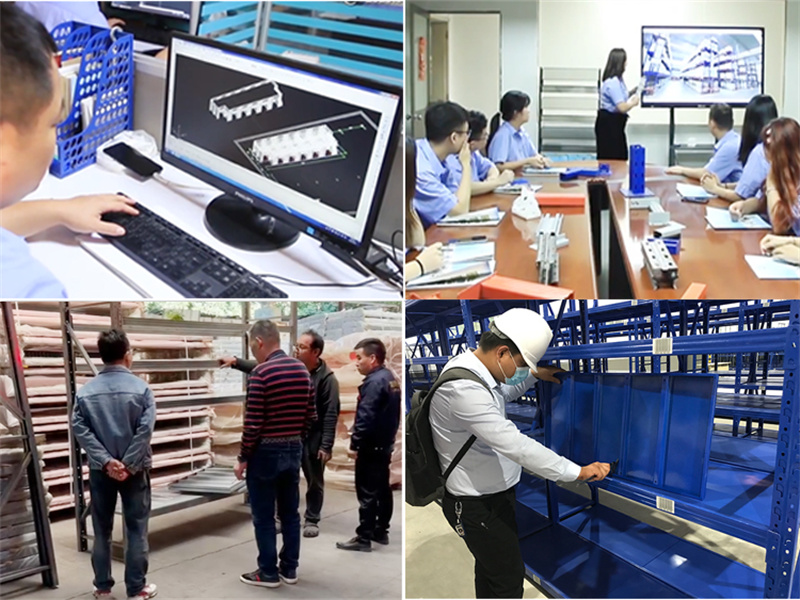
Design and Supply Process
Suitable Applications
Distribution Centers |
Manufacturing Warehouses |
Commercial Storage |
Store palletized goods with clear access for order fulfillment and replenishment. |
Organize raw materials, finished goods, components and production stock. |
Manage reserve inventory, wholesale goods and mixed SKU storage. |
Frequently Asked Questions
What is selective pallet racking?
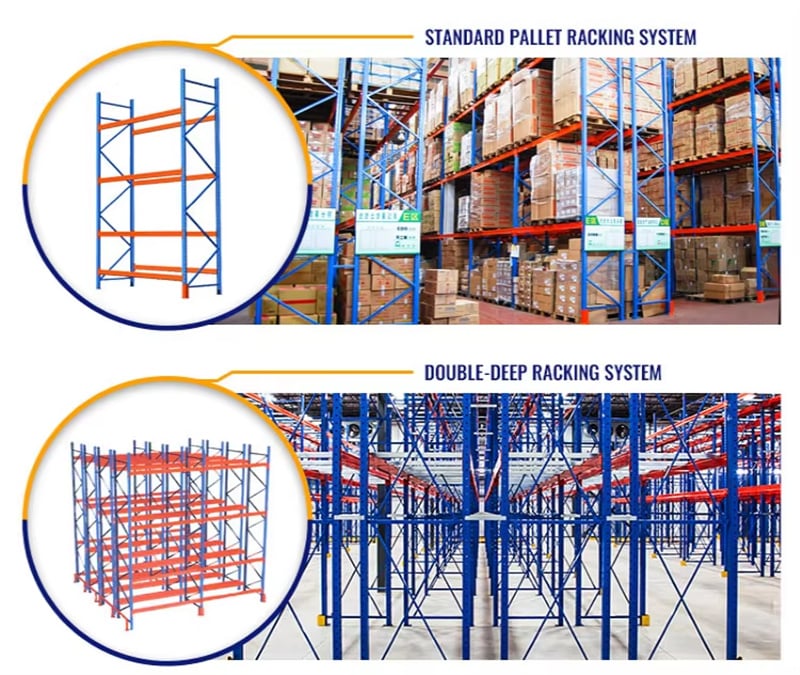
Selective pallet racking is a beam-and-upright storage system that provides direct access to individual pallet positions. It is commonly used when warehouses need flexible SKU storage and frequent product access.
Can the rack be designed for my warehouse?
Yes. The layout can be planned around your warehouse dimensions, pallet sizes, load requirements, aisle needs, columns, doors and handling equipment.
Can beam levels be adjusted?
The beam arrangement can be configured for different pallet heights and storage requirements. Final level spacing should be confirmed based on the product profile and handling method.
What information is needed for a quotation?
Please provide warehouse length, width and height, pallet dimensions, pallet weight, number of SKUs, required storage levels, handling equipment, destination and any drawings or photos.
Is the load capacity fixed?
The required loading performance should be confirmed for each project based on rack configuration, pallet profile, beam levels, site conditions and intended operation.

Transform your warehousing logistics operations with Maobang's unbeatable custom storage solutions at factory direct prices. Our expert team will work closely with you every step of the way to ensure your storage space is tailored to your exact needs.
Copyright © Guangzhou Maobang Storage Equipment Co., Ltd. All Rights Reserved - Privacy Policy
 EN
 AR
 FR
 DE
 EL
 IT
 JA
 KO
 PT
 RU
 ES
 SV
 TL
 ID
 VI
 TH
 MS
 HMN
 KM
 LO
 MR
 TA
 MY
 SD