
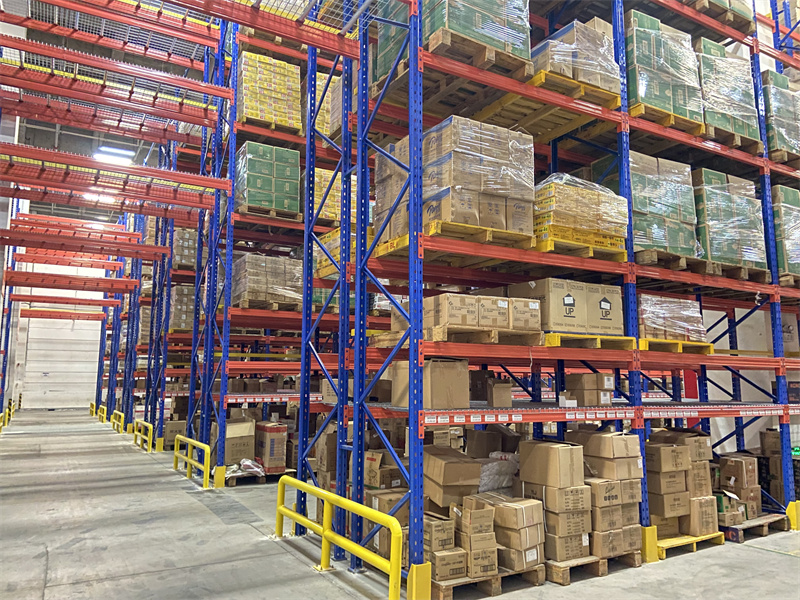
With global e-commerce and manufacturing supply chains expanding, warehouse operators face constant pressure to store more goods in less space without sacrificing picking speed. In this product news update, we look at beam pallet racking — also known as selective pallet rack — the most widely used heavy-duty storage system in modern distribution centers. We cover its core features, standard specifications, recent product improvements, and the key factors to evaluate before installation, so you can decide whether beam racking is the right fit for your facility.
What Is Beam Pallet Racking?
Beam pallet racking is a heavy-duty selective storage system built from two main components: upright frames and horizontal beams. Pallets rest on beam levels, and every pallet position is directly accessible without moving other pallets, which is why the system is often called selective racking. Beam heights are fully adjustable, so the rack can be reconfigured to accommodate different pallet sizes and changing inventory profiles, making it one of the most flexible racking solutions on the market.
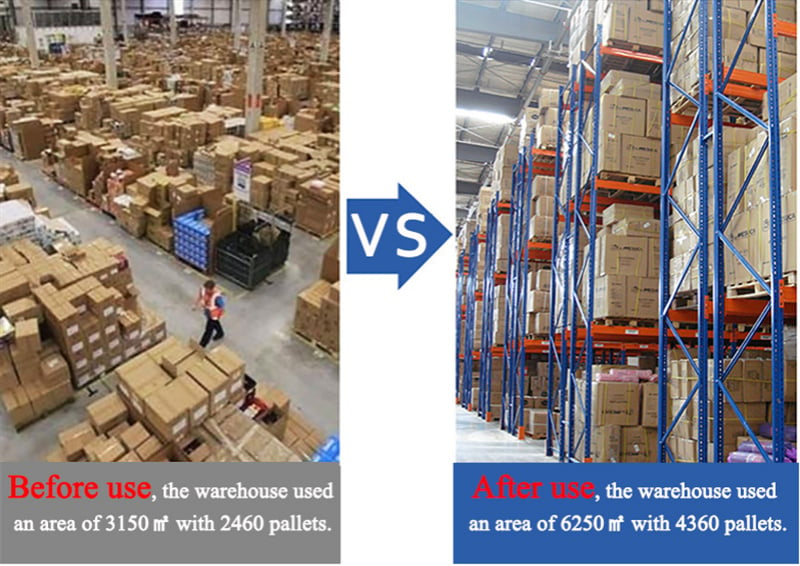
Key Features and Benefits
100% selective access — every pallet is independently reachable, maximizing picking efficiency and supporting FIFO/FEFO stock rotation.
High load capacity — typical designs support 1,000–5,000 kg per pallet position, with beam capacities matched to pallet weight and span.
Adjustable storage levels — beams can be repositioned in 75 mm increments to fit different pallet and product heights.
Quick assembly and reconfiguration — bolted or pin-connection designs allow fast installation, relocation, and future expansion.
Cost-effective density — a more affordable option than drive-in or shuttle systems when full selectivity matters.
Wide compatibility — works with pallets, stillages, and a range of forklift types, from reach trucks to counterbalance trucks.
Applications
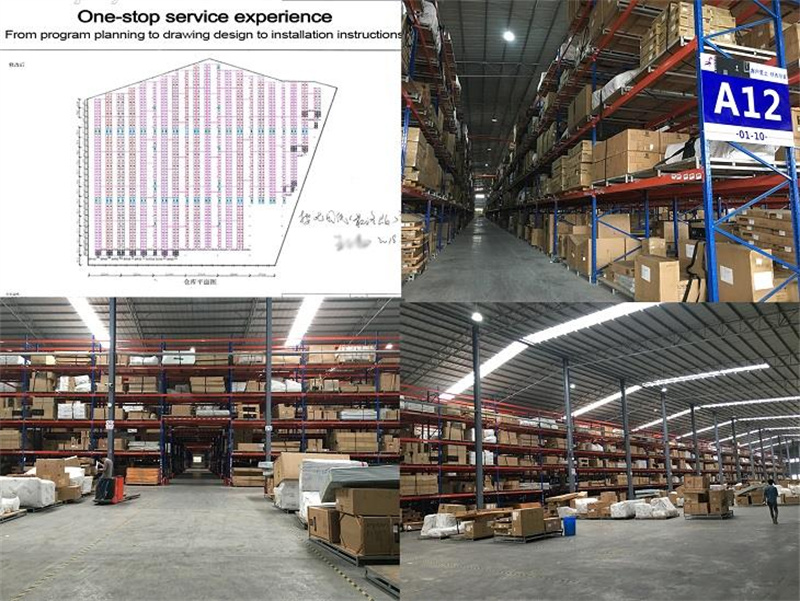
Beam racking is deployed across a wide range of industries: distribution and e-commerce fulfillment centers, food and beverage warehouses, cold storage facilities, retail and supermarket distribution, third-party logistics (3PL), and manufacturing raw-material or finished-goods storage. Its adaptability makes it the default choice for mixed-SKU operations where pallet sizes and throughput levels vary throughout the year.
Product News: What Is New in Beam Racking
Recent developments in beam racking focus on three priorities: strength, safety, and installation speed.
High-strength steel upgrades — new steel grades deliver the same load capacity with lighter, slimmer profiles, saving material cost and floor space.
Seismic-rated designs — frames and bracing engineered for earthquake zones, meeting local building codes such as RMI seismic requirements.
Tool-free beam connectors — improved beam-locking mechanisms shorten installation time and reduce assembly errors on site.
Integrated safety accessories — row spacers, back beams, mesh decking, and anti-collapse pins are now offered as standard options rather than costly add-ons.
How to Choose the Right Beam Racking System
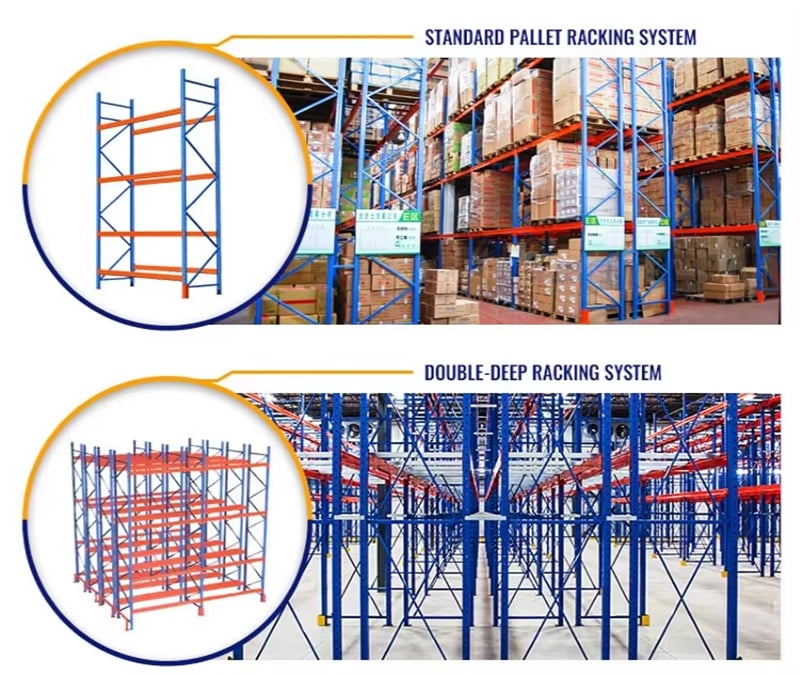
Before purchasing, confirm the following parameters: pallet dimensions and gross weight; warehouse clear height, floor condition, and column positions; aisle width and forklift type (reach truck, counterbalance, or very narrow aisle); the required number of levels and pallet positions; the local seismic zone and applicable safety regulations; and fire protection or sprinkler requirements. A professional layout drawing based on these parameters ensures the system meets both safety standards and operational targets.
FAQ
What is the difference between beam racking and drive-in racking?
Beam racking provides 100% pallet selectivity, with direct access to every position. Drive-in racking stores pallets in deep lanes to maximize density, but access is limited to LIFO (last in, first out).
What load capacity can beam racking support?
Typical designs support 1,000–5,000 kg per pallet position, depending on beam length, frame profile, and steel grade. Capacity must always be confirmed by engineering calculation based on your actual pallet weight.
Can beam racking be adjusted after installation?
Yes. Beams can be repositioned in height increments as your inventory changes, and the system can be extended with additional frames and beams without replacing existing components.
Get a Quote
Planning to upgrade your warehouse? Contact our sales team with your pallet size, pallet weight, and building dimensions for a free layout design and quotation. All products are delivered with full compliance documentation and a structural warranty.

Transform your warehousing logistics operations with Maobang's unbeatable custom storage solutions at factory direct prices. Our expert team will work closely with you every step of the way to ensure your storage space is tailored to your exact needs.
Copyright © Guangzhou Maobang Storage Equipment Co., Ltd. All Rights Reserved - Privacy Policy
 EN
EN
 AR
AR
 FR
FR
 DE
DE
 EL
EL
 IT
IT
 JA
JA
 KO
KO
 PT
PT
 RU
RU
 ES
ES
 SV
SV
 TL
TL
 ID
ID
 VI
VI
 TH
TH
 MS
MS
 HMN
HMN
 KM
KM
 LO
LO
 MR
MR
 TA
TA
 MY
MY
 SD
SD

