Home > Products > Pallet Rack
Product Description
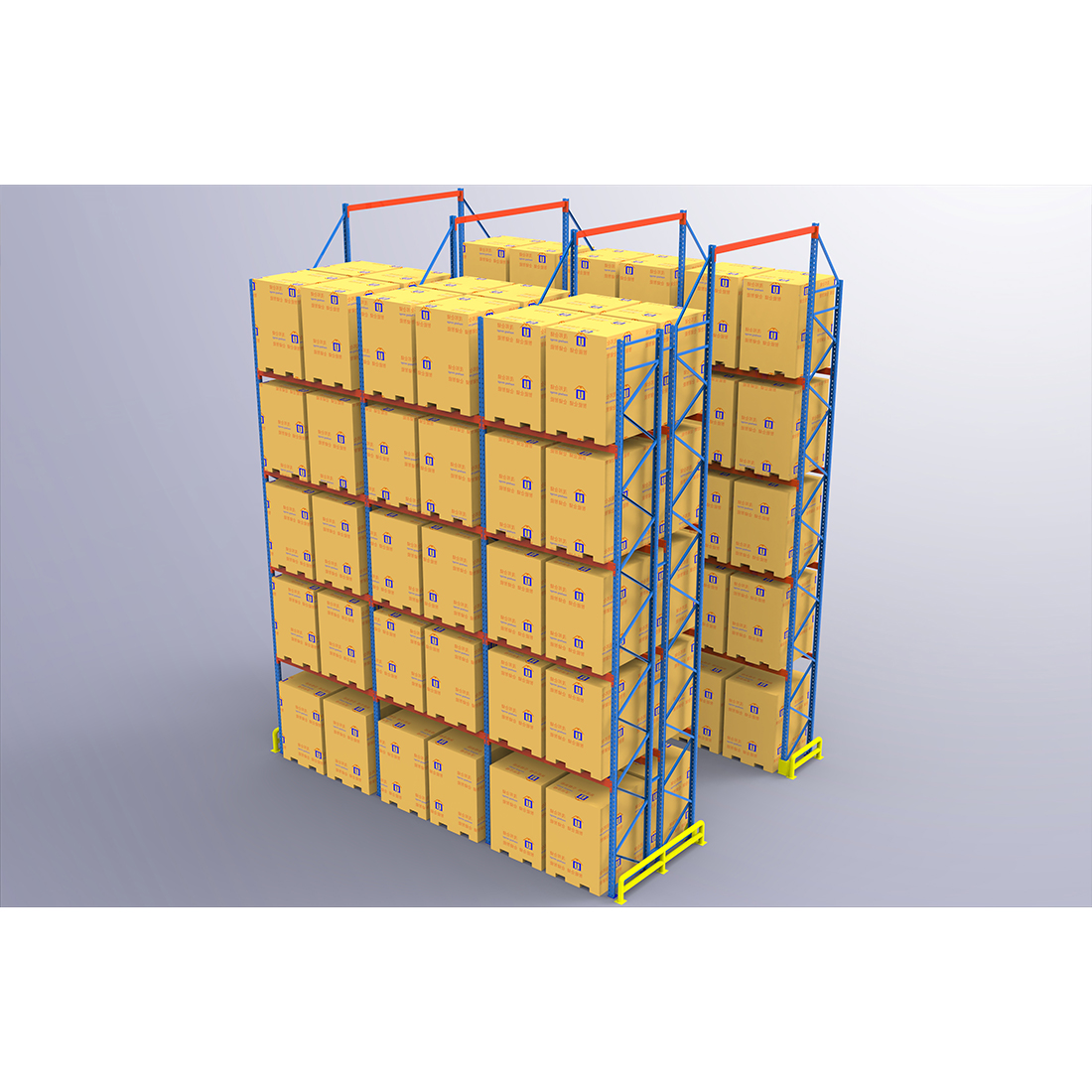
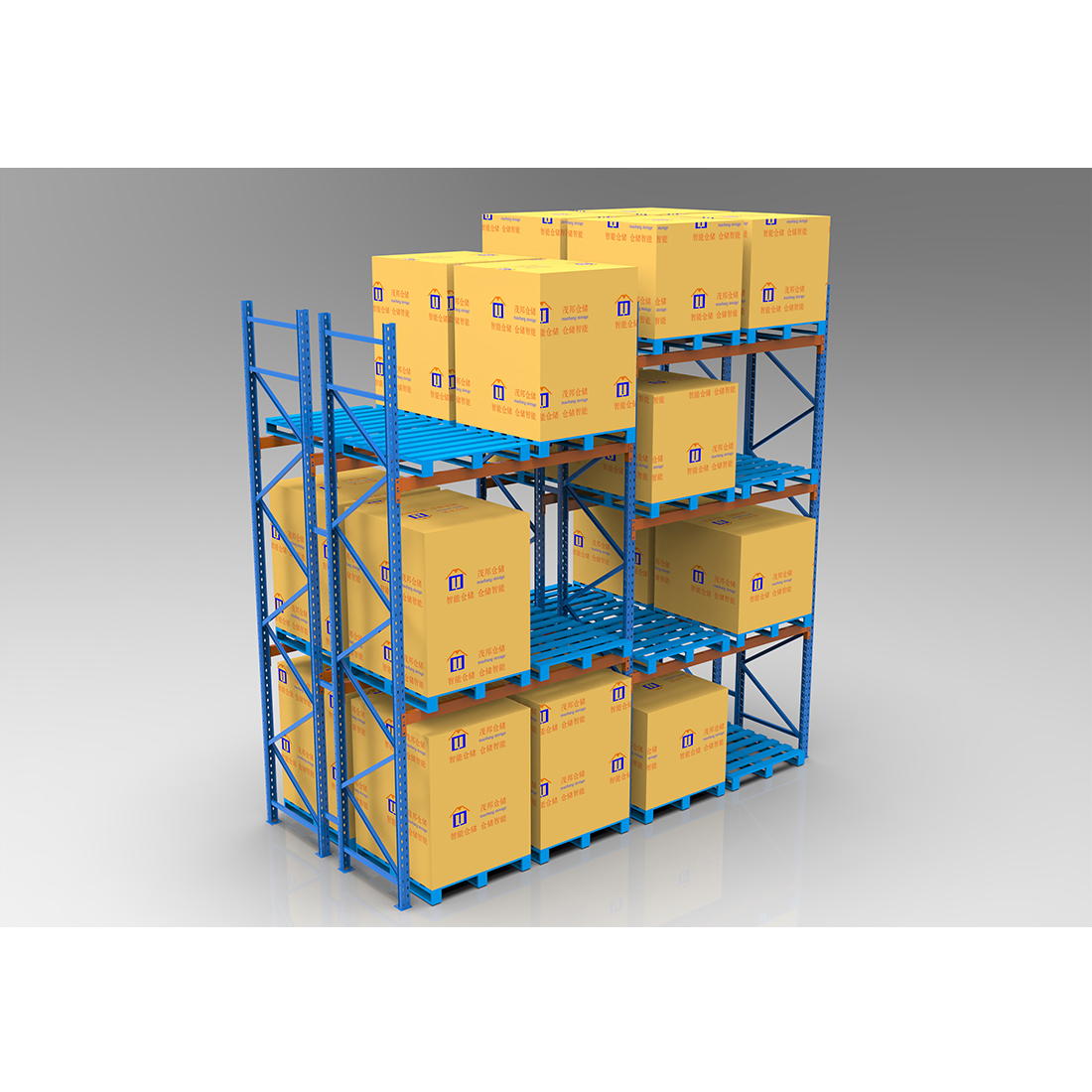
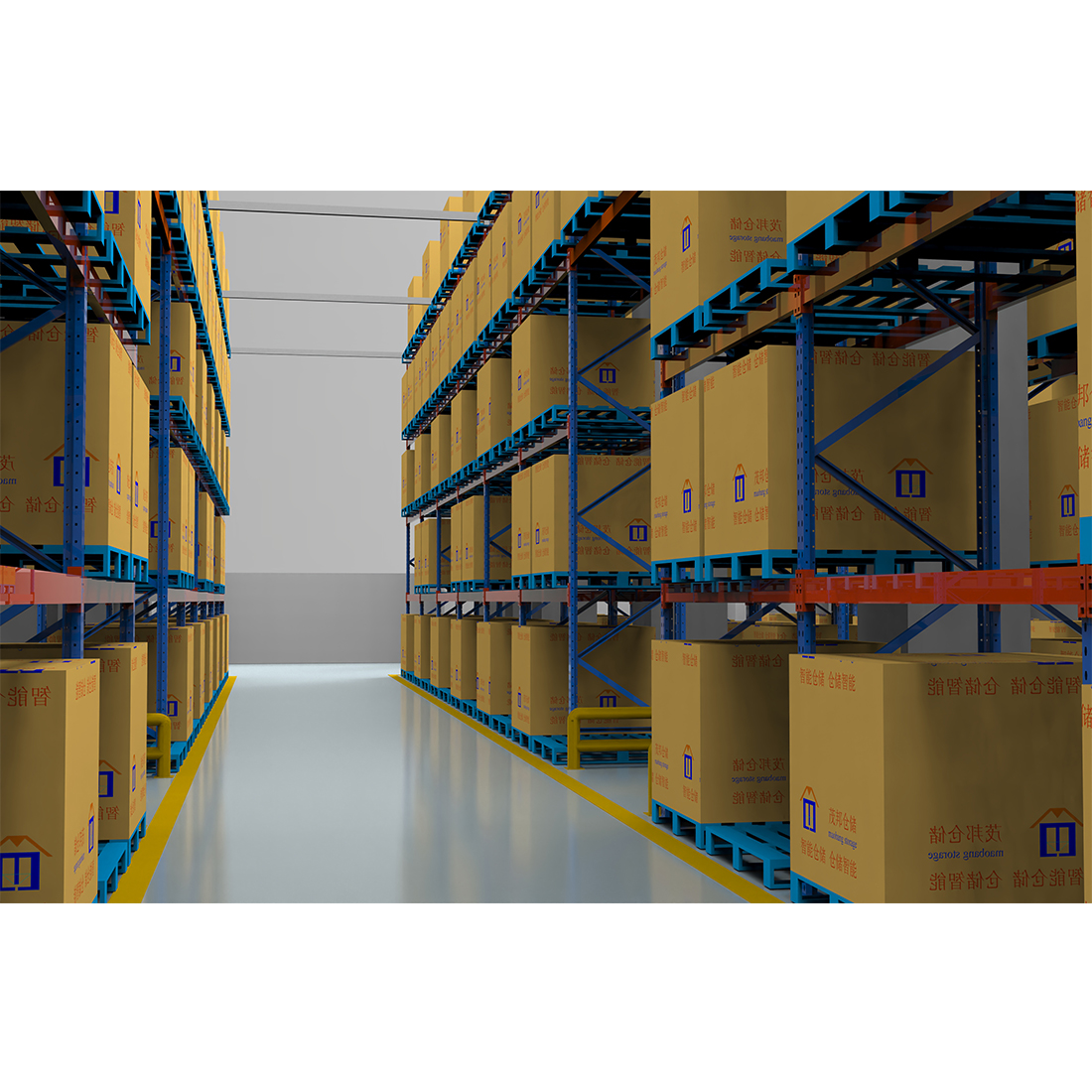
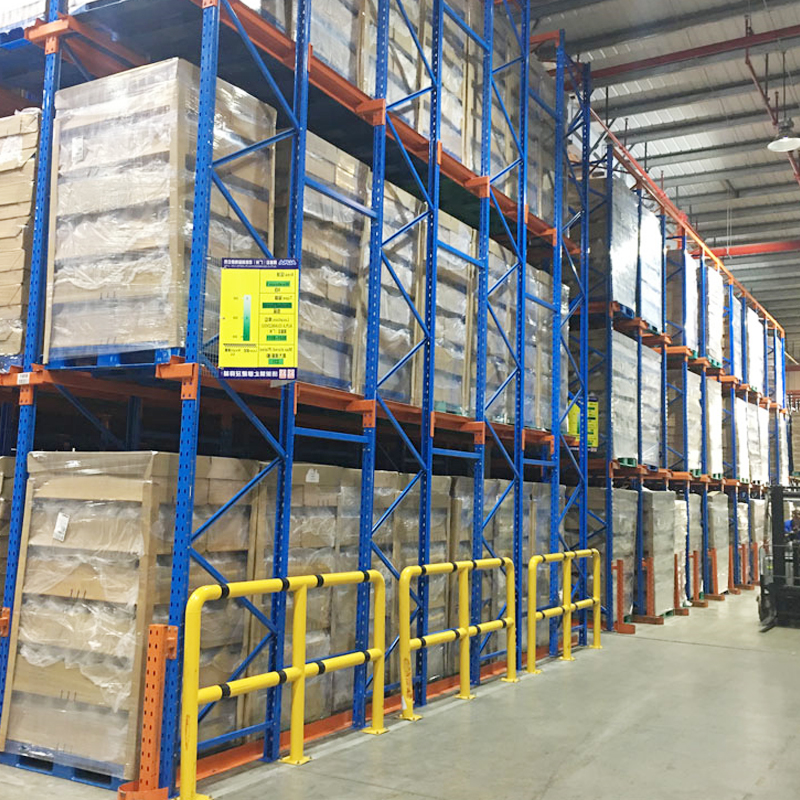
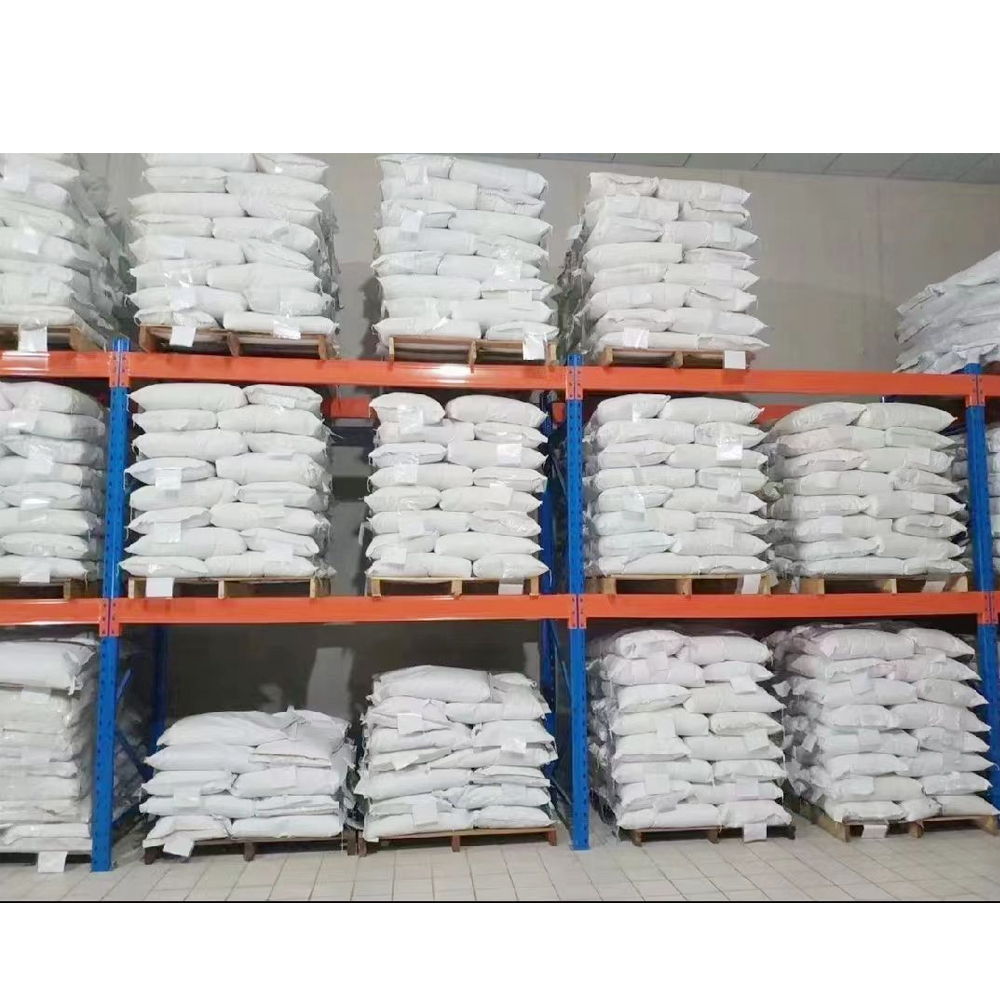
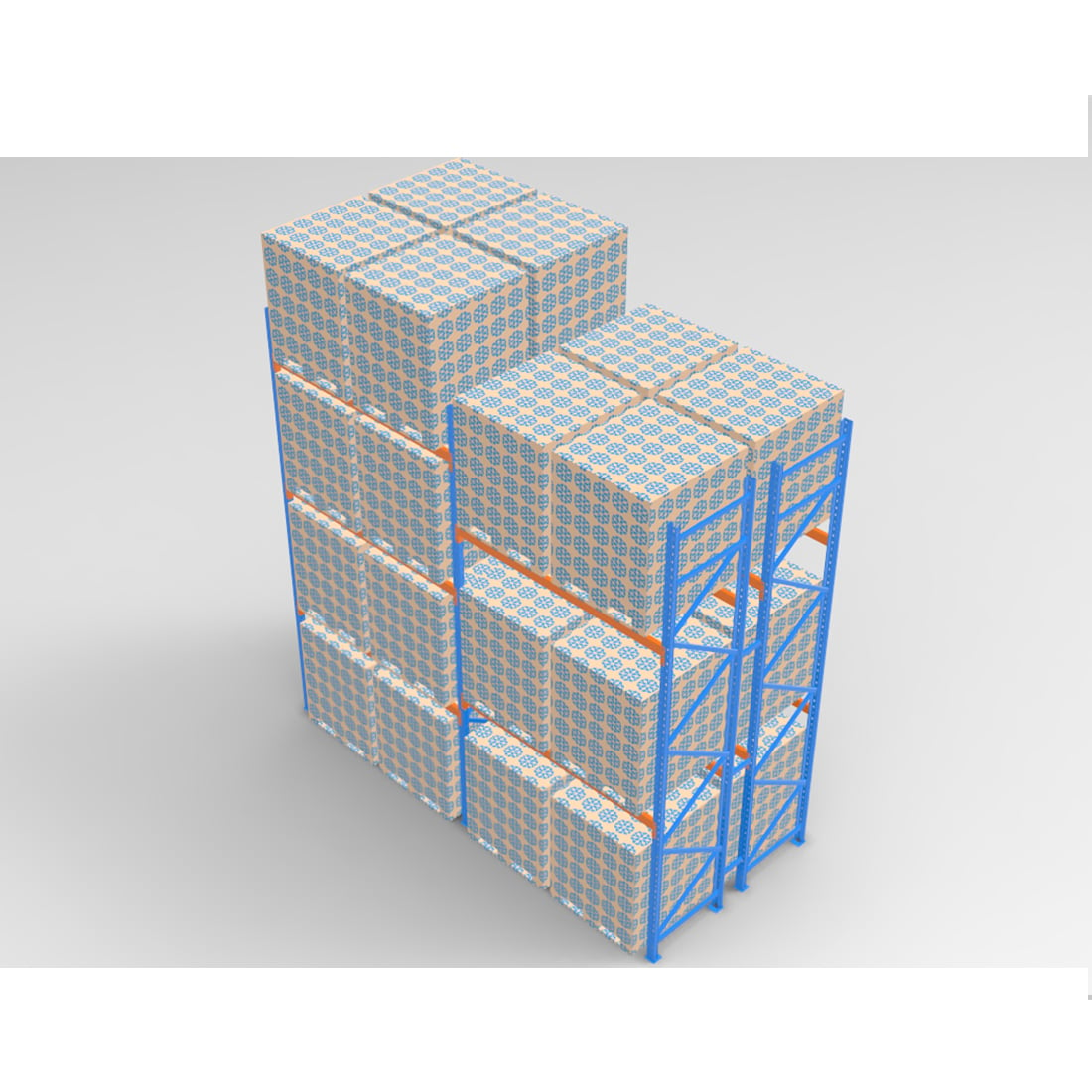
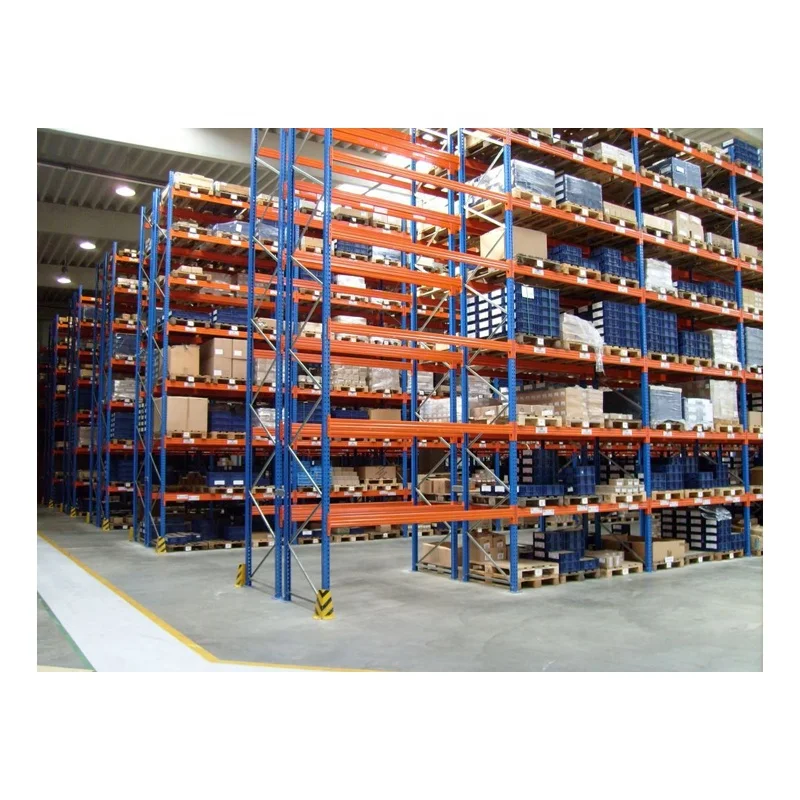
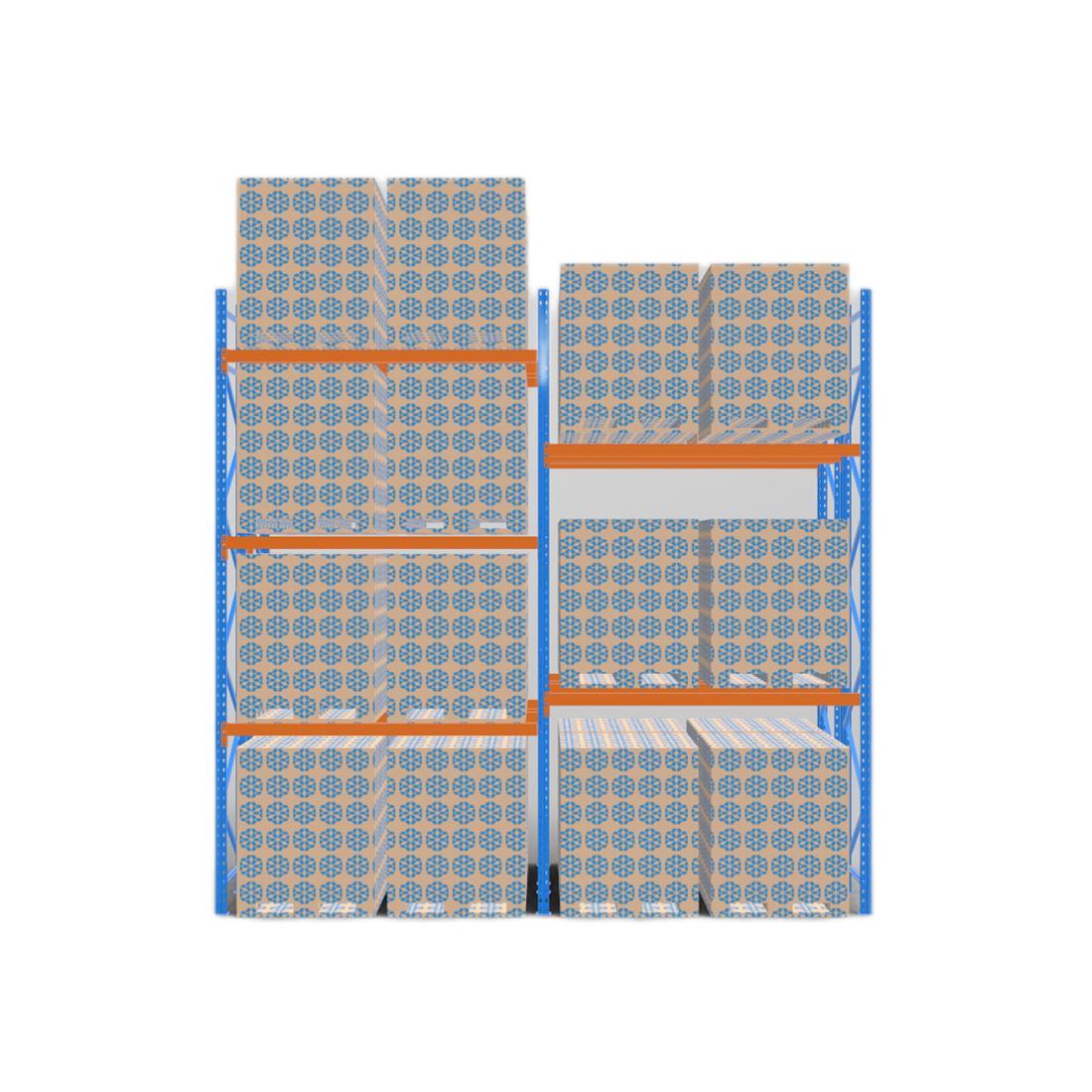
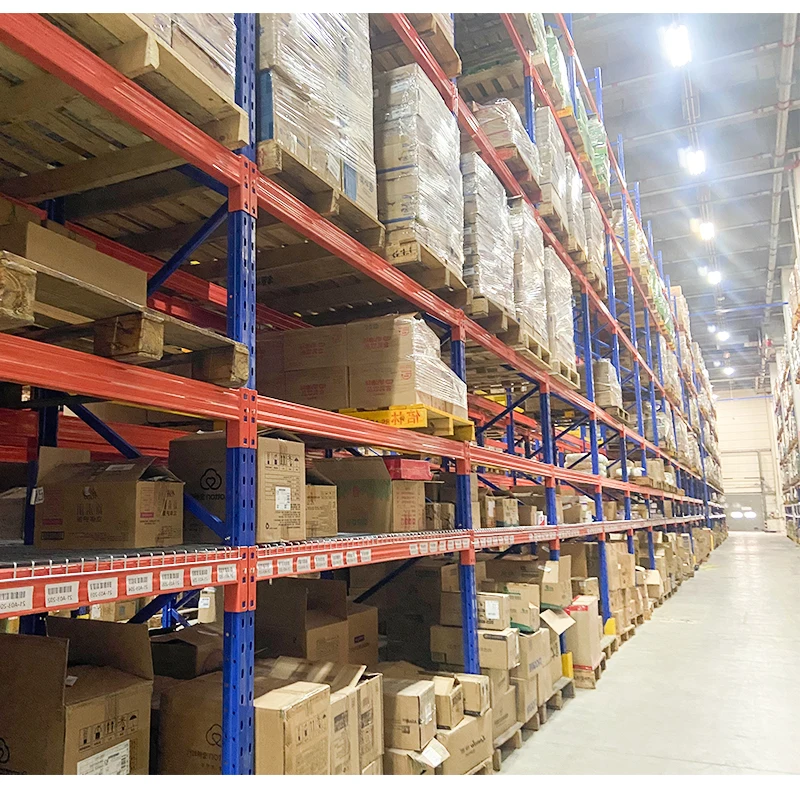
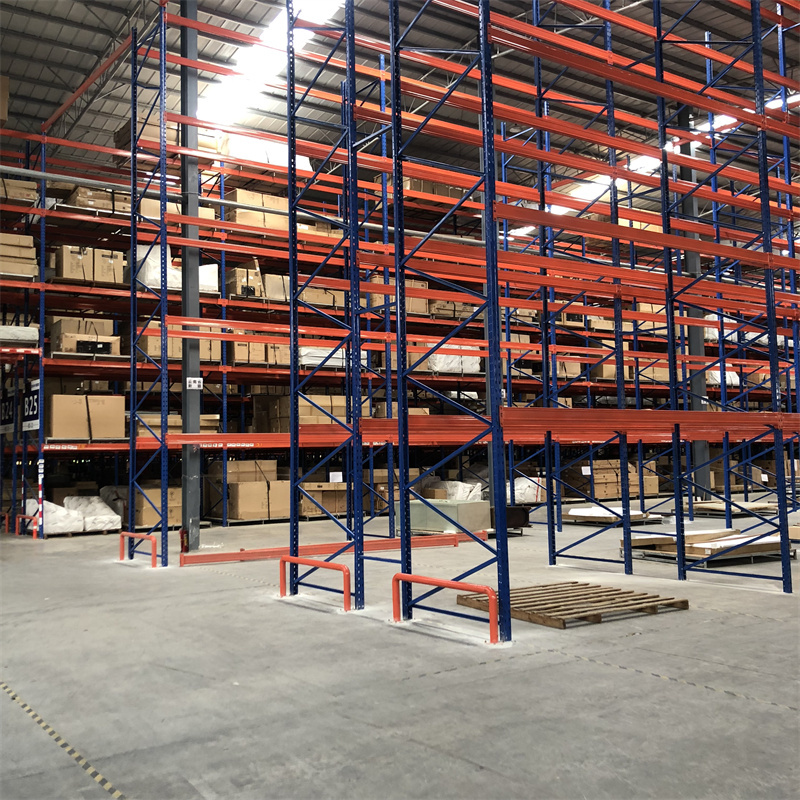
The double deep racking is a component of warehouse storage racking system. They are robust metal structures made up of beams that hold two pallet positions on the same level, all products uploaded by the LIFO(Last in, first out) module. It is often used in the middle of warehouse racking system to save aisle space in a cost-efficient way.

Feature
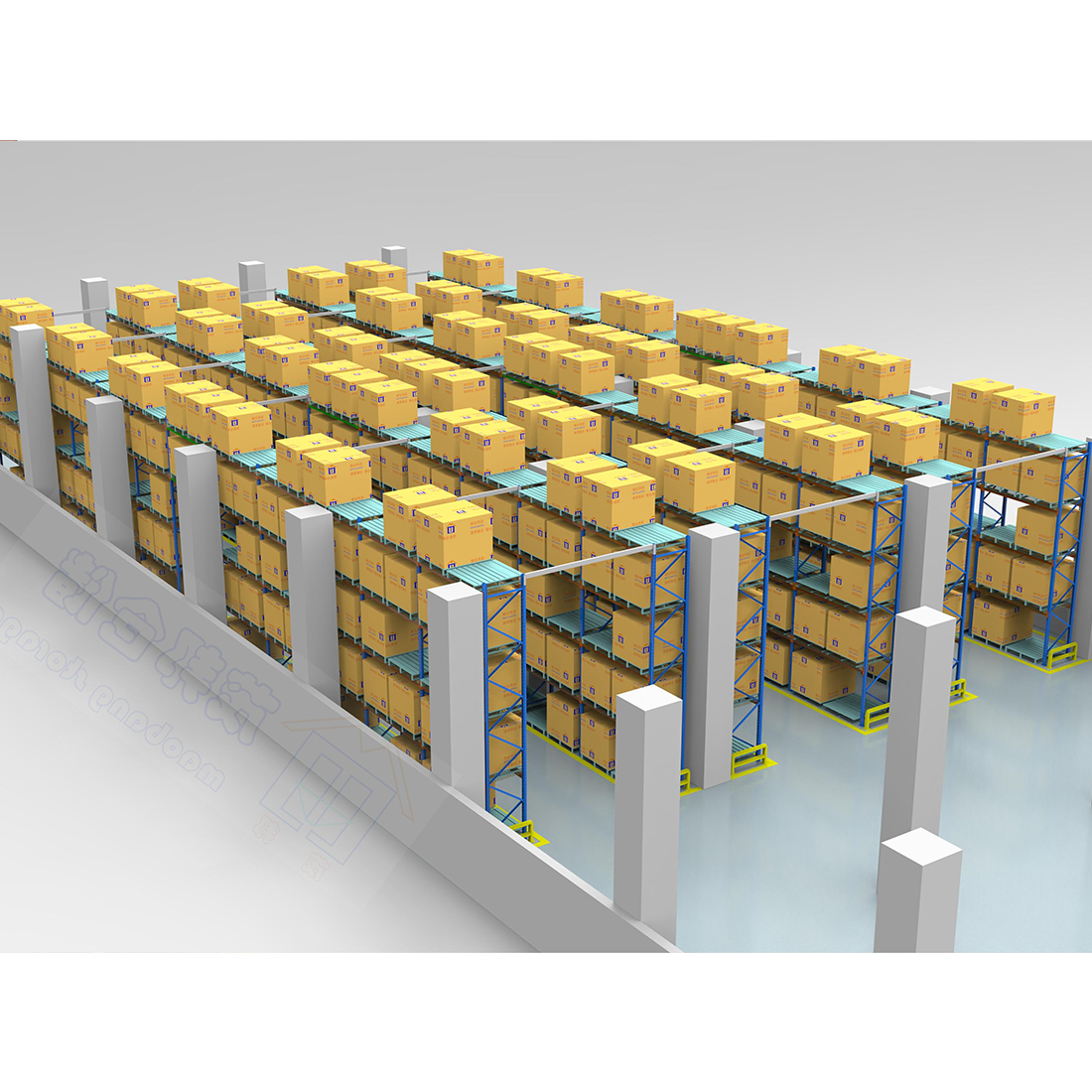
Higher Storage Density: By storing pallets two deep, it maximizes warehouse floor space and reduces the number of aisles needed, allowing more pallets to be stored within the same footprint.

Selective Access with Some Limitations: About 50% of pallets are immediately accessible from the aisle. To reach pallets stored in the second depth, the front pallets must be moved first, requiring special forklifts with telescopic or pantograph forks.
Requires Specialized Forklifts: Standard forklifts cannot reach the rear pallets. Double deep racking systems are used with reach trucks equipped with extendable forks or pantograph mechanisms to access the second pallet location safely and efficiently.

Robust Construction: Made from high-tensile steel with reinforced flanges and strengthening ribs to ensure safety, durability, and compliance with international standards.
Good Balance of Density and Selectivity: It offers a middle ground between selective pallet racking (high selectivity, lower density) and compact storage systems (high density, low selectivity), making it suitable for warehouses with moderate SKU variety and volume.
Adaptability and Reconfigurability: Beam levels can be adjusted, and the system can be converted back to selective racking if warehouse needs change, providing long-term flexibility.
Inventory Rotation: Operates primarily on a LIFO (Last In, First Out) basis for individual pallets, but can support FIFO at batch levels, depending on warehouse management.

Specifications and Parameters
Product Name |
Double Deep Rack |
Material |
Q235B Cold-rolled Steel |
Product size |
Length: 2300 / 2500 / 2700 / 3000 / 3300 / 3600 / 3900mm Width: 900 / 1000 / 1100 / 1200mm Height: 2000-6500mm |
Thickness |
1.5mm, 2.0mm( column ) 0.6mm , 0.8mm (Beam) |
Load capacity |
800-5000 kg per layer |
Layers |
2-5 adjustable layers (can be custom-made) |
Color |
RAL color; As per customer's requirement |
Surface |
Acid-washing, Electrostatic spray surface |
Feature |
Anti-rust, Corrosion-protection |
Guarantee period |
5 years warranty |
Remark |
OEM&ODM accepted |
Use area |
Warehouse, factory, storage place |
Structure |
Knock down structure, easy assembling, convenient for delivery |
Function |
storage goods, rack, storage |
Product range |
warehouse, storage place |

Application
Warehouses with multiple pallets per SKU: Ideal for storing large quantities of the same product, allowing efficient use of space by stacking two pallets deep.
Homogeneous or identical product storage: Suitable for businesses handling uniform stock where selectivity can be slightly compromised for higher density.
Medium to long-term stock storage: Best for products that do not require frequent rotation, as the system operates on a LIFO (Last In, First Out) basis, making it less suitable for highly perishable goods.

Operations with advanced stock management: Warehouses with robust inventory control systems that can manage restricted access to some pallets benefit from the increased storage capacity.
Retail distribution: Stores large volumes of fast-moving consumer goods efficiently, balancing storage density and accessibility.
Food and beverage industry: Used for both perishable and non-perishable items, improving inventory management and space utilization.
Automotive parts suppliers: Accommodates a wide range of products while optimizing warehouse space.

E-commerce fulfillment centers: Helps handle vast inventories by maximizing storage density without sacrificing too much selectivity.
Manufacturing and industrial storage: Stores raw materials, components, and finished goods, streamlining supply chain operations and improving efficiency.
Manual and automated warehouses: Compatible with both, requiring forklifts with telescopic or pantograph forks to access pallets in the second depth.


Transform your warehousing logistics operations with Maobang's unbeatable custom storage solutions at factory direct prices. Our expert team will work closely with you every step of the way to ensure your storage space is tailored to your exact needs.
Copyright © Guangzhou Maobang Storage Equipment Co., Ltd. All Rights Reserved - Privacy Policy
 EN
EN
 AR
AR
 FR
FR
 DE
DE
 EL
EL
 IT
IT
 JA
JA
 KO
KO
 PT
PT
 RU
RU
 ES
ES
 SV
SV
 TL
TL
 ID
ID
 VI
VI
 TH
TH
 MS
MS
 HMN
HMN
 KM
KM
 LO
LO
 MR
MR
 TA
TA
 MY
MY
 SD
SD